



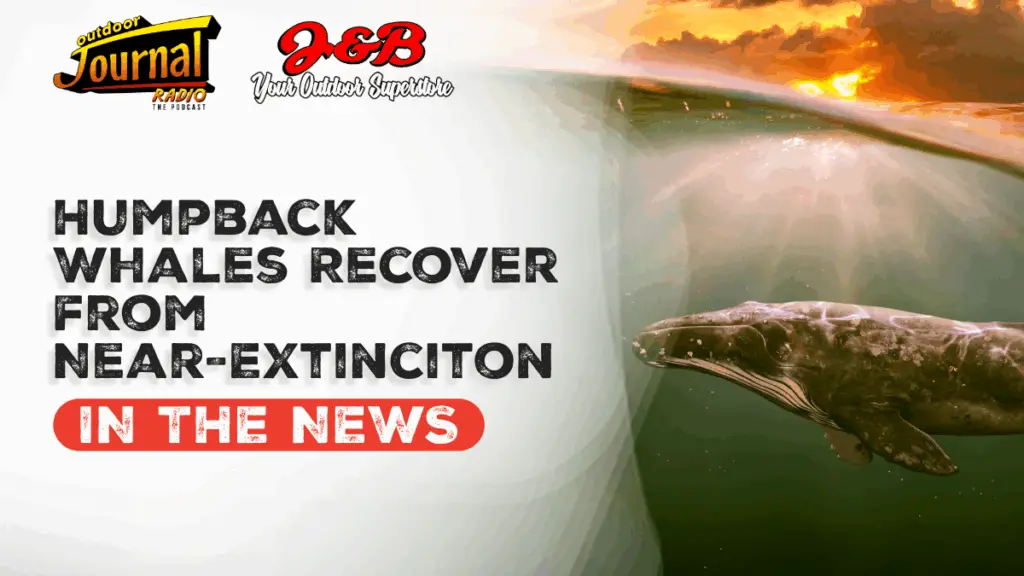
From Near-Extinction to a Thriving Population
Humpback whales migrating along Australia’s east coast are now considered one of the planet’s most remarkable wildlife recovery stories. Once pushed to the edge of collapse by commercial whaling, the population has rebounded from fewer than 1,000 individuals in the late 1960s to an estimated 30,000 to 40,000 today.
The End of Whaling and the Rise of Protection
Commercial whaling in Australia officially ended in 1978, following decades of heavy exploitation that targeted humpbacks and other baleen whales. Australia later reinforced these protections by adopting the International Whaling Commission’s moratorium on commercial whaling in 1986 and by declaring all Australian waters a whale sanctuary. Together, these policies provided more than four decades of uninterrupted protection.
Tracking the Comeback
Modern monitoring programs show the impact of these protections. Researchers track humpback whale recovery through aerial surveys, acoustic monitoring, and long-term photo-ID catalogues that track migration patterns and survival rates. Citizen scientists also contribute thousands of sightings each year as whales pass close to shore along the east coast migration corridor.
New Challenges for a Growing Population
Although the population continues to grow, scientists report that the rate of increase has begun to stabilize as humpback numbers approach ecological carrying capacity. Climate change poses new pressures, including warming ocean temperatures, reduced Antarctic krill availability, and shifting feeding conditions. The species also faces risks from gear entanglement and vessel strikes along coastal routes.
A Global Conservation Success Story
Despite these challenges, the humpback whale rebound remains one of the world’s clearest examples of effective marine conservation. The resurgence highlights the lasting benefits of ending commercial whaling and enforcing strict protection laws. Today, the annual migration is celebrated by coastal communities, whale-watching operators, and researchers who continue to monitor the health of a species once feared lost forever.