



A Limited and Little-Known Turkey Season
The Saskatchewan Wildlife Federation (SWF) is working with provincial wildlife managers to explore the possibility of expanding wild turkey hunting opportunities in the province. While Saskatchewan does currently offer a wild turkey hunt, access is highly restricted and available only through a draw system in select regions.
Wild turkey hunting in Saskatchewan is far more limited than in most other Canadian provinces. Tag numbers are low, hunting areas are few, and participation is restricted to residents. As a result, many hunters are unaware that a turkey season exists at all.
How Wild Turkeys Arrived in Saskatchewan
Wild turkeys are not native to Saskatchewan. The birds were first introduced in the late 1960s and early 1970s, primarily through translocations from neighbouring US states such as North Dakota and South Dakota.
Early efforts to establish turkeys met with mixed success. Harsh winters, deep snow, and limited habitat prevented populations from expanding widely across the province. Over time, however, small, localized populations became established in southern Saskatchewan.
Where Turkeys Are Found Today
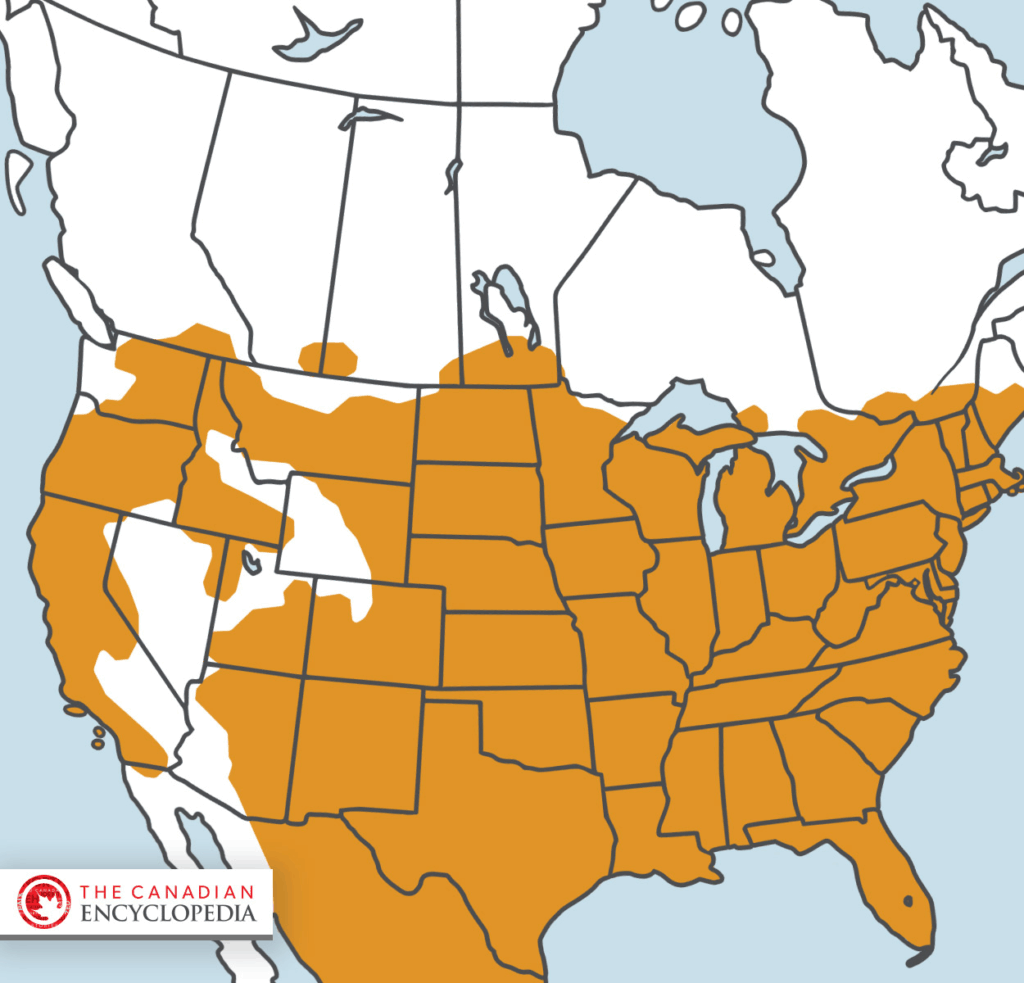
Today, the most consistent wild turkey populations in Saskatchewan are found in the Cypress Hills, Grasslands region, and parts of southwest Saskatchewan. These areas provide a mix of grassland, shrub cover, and forested habitat that supports roosting, nesting, and winter survival.
Even in these regions, turkey numbers remain modest compared to provinces such as Ontario, where decades of restoration and milder winters have supported widespread population growth.
Why Expansion Is Being Considered
According to the Saskatchewan Wildlife Federation, interest in turkey hunting has increased in recent years. This mirrors broader trends across Canada and the United States, where wild turkey populations have rebounded significantly since the mid-20th century.
In provinces with established turkey seasons, regulated hunting has been shown to coexist with stable populations while contributing to rural tourism and conservation funding through license sales.
Conservation Comes First
The SWF emphasizes that any expansion of turkey hunting in Saskatchewan would be guided by science and conservation priorities. Potential changes could include modest increases in tag numbers, expanded draw zones, and improved population surveys.
Wildlife biologists caution that turkeys remain vulnerable in Saskatchewan, particularly during severe winters when deep snow restricts access to food. Nest predation and habitat loss also remain ongoing challenges.
The Role of Monitoring and Public Reporting
As part of the discussion, the SWF is encouraging hunters and landowners to report wild turkey sightings. Improved reporting would help wildlife managers better understand population trends and identify areas where limited expansion may be possible.
A Conservative Approach Moving Forward
For now, Saskatchewan remains one of the most conservative provinces in Canada when it comes to wild turkey hunting. Any changes to the current system will depend on continued population stability, winter survival rates, and the province’s ability to balance growing hunter interest with long-term sustainability.